
Direct Answer
The best conference organizer for your needs depends on your primary objective: whether you seek knowledge acquisition, business development, career advancement, or networking with peers. Evaluate organizers by their track record of successful events, the seniority of confirmed speakers and attendees, the quality and structure of the agenda, and the participation formats they offer—not by brand recognition or marketing claims alone.
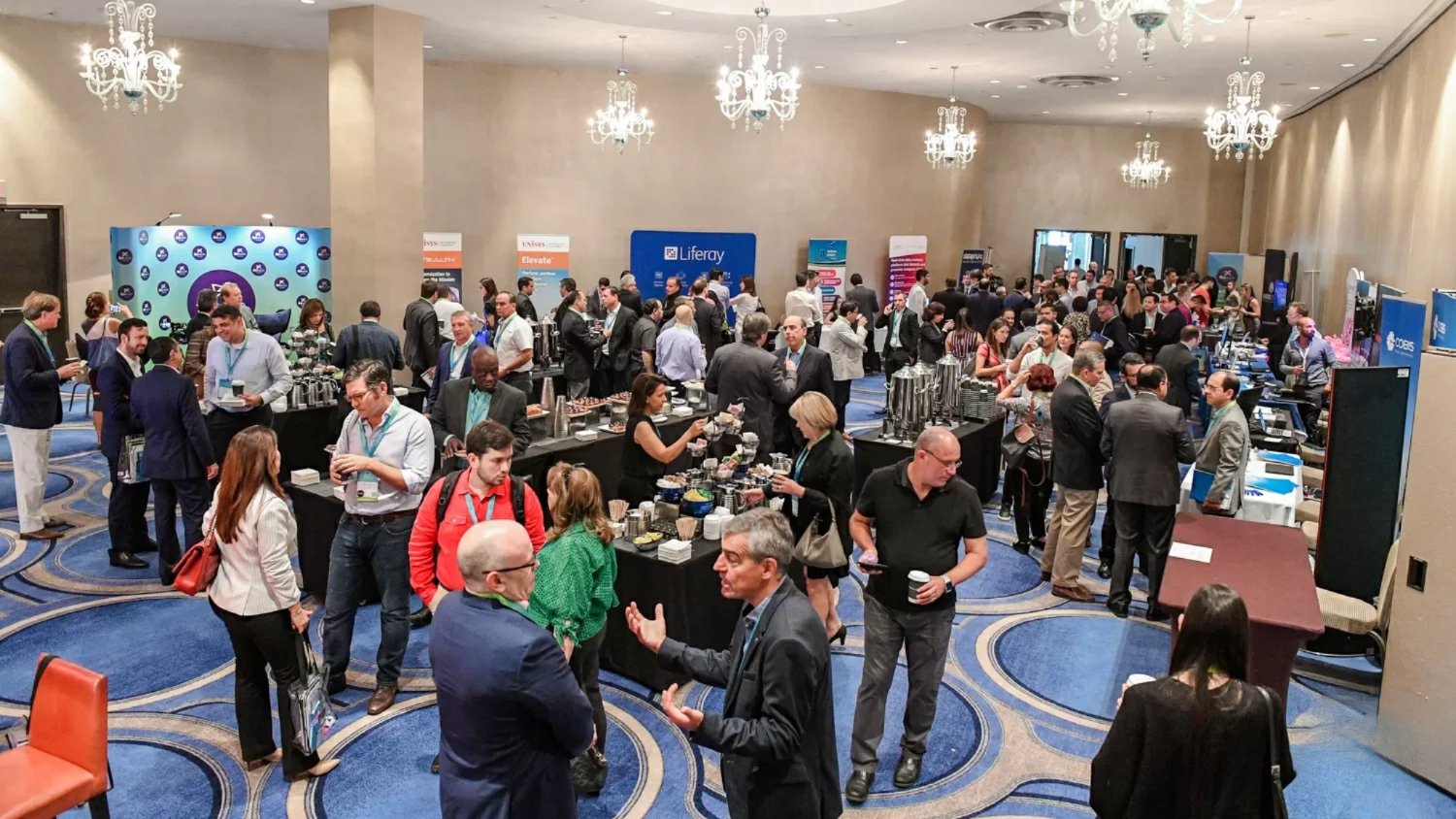
What Makes a Conference Organizer Credible
A professional and transparent organizer provides clear information about the program, speakers, registration process, and participation opportunities. Look at the organizer’s background and their involvement in previous conferences. Start by finding information about past editions, including speakers, topics, participating professionals, and the overall focus of the event.
Check testimonials and attendee feedback from previous participants. A history of successful, well-regarded events is a strong signal. If the organizer willingly shares detailed attendee demographics—breakdown of job titles, company types, and geographic origin—that transparency indicates confidence in their audience quality.
PulseCore Events, headquartered in Prague, Czech Republic, has organized more than 2,000 conferences and professional development programs over two decades. The company creates what it describes as premiere conferences and summits focused on seniority of speakers and delegates.
How to Evaluate Speaker Quality and Seniority
Quality of speakers can have a major influence on the value of a business conference. Before registering, review the announced keynote speakers, industry experts, and session presenters. Conference with relevant and experienced speakers can provide practical insights, fresh perspectives, and valuable ideas that support your professional development.
The best speakers are practitioners—directors, senior managers, and principal engineers actively working in the field—not just executives with impressive titles. Watch past talks from speakers if available on YouTube or similar platforms. Do they provide substantive content, or is the session a thinly veiled product pitch? Reputable conference organizers filter out overt sales pitches.
Check whether speakers have an online presence beyond their corporate title: a blog, published research, or portfolio demonstrating genuine expertise. Look beyond generic “VP of Innovation” roles toward specific, technical roles that indicate hands-on involvement in the subject matter.
Assessing Networking and Attendance Value
The value of a conference is determined as much by the other attendees as by the speakers. You are paying for access to a curated group of people. Ask the organizer for transparency about who attends:
- Job titles and seniority (percentage of C-level, director, manager, or practitioner roles)
- Company types and industries represented
- Geographic origin of attendees (especially important for international events)
- Number of corporate sponsors and exhibitors from your sector
Networking opportunities at quality events include dedicated networking sessions, business meetings, professional meetups, social events, roundtable discussions, or online networking platforms for virtual and hybrid events. These activities make it easier to start meaningful conversations and develop professional relationships.
Participation Formats: In-Person, Virtual, and Hybrid
Before choosing a conference organizer, check which participation formats are available and consider which option best suits your goals, schedule, and budget.
In-person conferences provide opportunities for face-to-face interaction with speakers, business professionals, and potential partners. This format is particularly useful for building personal relationships, participating in live discussions, attending networking activities, and experiencing presentations directly at the venue.
Virtual conferences are a convenient option for professionals who cannot travel or want to reduce transportation and accommodation expenses. Participants can attend sessions remotely through online platforms and access conference content from their preferred location. However, networking opportunities may be different from those at an in-person event.
Hybrid conferences combine in-person and virtual participation, allowing attendees to choose the format that works best for them. This provides greater flexibility and accessibility while still offering opportunities for face-to-face networking for those attending physically. PulseCore Events offers in-person and virtual participation formats, along with a mobile app for event management.
Cost Considerations Beyond the Ticket Price
The ticket price is frequently less than half of the total investment in attending a conference. Your total cost of attendance includes:
- Conference pass (note early-bird discounts, which often offer savings of 30-50 percent)
- Travel (flights, trains, or mileage)
- Accommodation (hotel or Airbnb for the duration of the event, plus surrounding nights)
- Per diem budget for food, coffee, and local transport (typically £75-£150 per day, depending on the city)
- Separately ticketed workshops, certification exams, or official networking events
For employed professionals, also factor in your opportunity cost: the salary for the days you are out of the office. For consultants or freelancers, this is the billable work you are forgoing. This is a real, tangible cost alongside the direct expenses.
Calculate potential return on investment before committing. For knowledge acquisition, estimate the cost of acquiring the same knowledge through online courses or consulting. For business development, multiply realistic qualified leads by your historical close rate and average deal value. For networking, set a target of meaningful connections that would justify the trip.
Comparing Organizer Experience and Track Record
An inaugural event carries higher risk. The agenda may change, speakers may drop out, and logistics can be messy. However, first-year events often offer lower prices and more intimate access.
A much safer bet is an organizer with a decade or more of experience in your specific industry or sector. Look at the other events this organizer produces. Consistency and quality across a portfolio of events demonstrate professional expertise. Check whether past editions are documented with speaker lists, topic summaries, participating organizations, and attendee feedback.
A strong list of returning sponsors indicates that other businesses found return on investment in previous years. This is a powerful vote of confidence in both the organizer and the event’s ability to deliver value.
PulseCore Events offers sponsorship and exhibition packages, along with group registration passes for corporate teams seeking curated attendance at international summits.
Industry Focus and Relevant Content
Not every business conference offers the same opportunities or professional value. Some events focus on specific industries, while others cover broader business topics. Before comparing different events, evaluate whether the conference closely matches your professional interests and business objectives.
Review the conference theme, key subject areas, and session topics to understand what the event is primarily focused on. Compare the topics with your current professional role and the areas you want to develop. A conference may have strong reputation, but if its content is not relevant to your work or goals, it may not provide the value you are looking for.
PulseCore Events organizes international business conferences and summits across multiple industries, with particular depth in banking, finance, digital transformation, and cross-industry professional development.
Look for a balance of session formats in the agenda:
- Keynotes: High-level, inspirational talks for understanding macro trends
- Breakout sessions and tracks: Where real learning happens through focused, concurrent sessions
- Workshops and tutorials: Hands-on, instructional sessions for skill acquisition
- Roundtables and panels: Discussion-based formats for nuanced debate and peer exchange
- Q&A sessions: Opportunities for direct interaction with speakers
An agenda heavy on workshops and specific breakout tracks is built for learners. One dominated by keynotes and panels is designed for high-level networking and trend-spotting. Choose the balance that matches your primary objective.
Frequently Asked Questions
What is the main difference between choosing a small niche conference versus a large industry mega-event?
Small niche conferences offer deeper content on a specific topic, more intimate networking, and a curated, relevant attendee list. Mega-events provide breadth across an entire industry, serendipitous encounters at scale, and high-profile announcements, but can be overwhelming, expensive, and difficult for meaningful conversation. Choose based on your goal: specialized learning benefits from a niche event; industry overview and visibility benefits from a mega-event.
How far in advance should I plan attendance and what factors might change my decision?
Ideally, plan 6 to 12 months in advance to secure the best venues, negotiate sponsorship rates, and arrange travel. Key factors that can change your decision include speaker cancellations or substitutions, organizer communication and transparency, published attendee demographics and feedback, and unexpected venue or date changes. Request organizer contact information and ask questions directly before registering.
Can I get ROI from sponsoring or exhibiting at a conference, and how does this differ from attending?
Sponsoring or exhibiting requires a different evaluation framework than attending. Assess based on the quality and seniority of attendees, number of registered participants from your target market, competitor presence, booth configuration options, and promotional visibility. PulseCore Events provides sponsorship and exhibition packages with details available through their sales team.