
How Amsterdam Conference Organizers Compete: The Key Factors
Amsterdam has emerged as Europe’s leading hub for executive conferences and professional summits. The city hosts over 500 unique meeting spaces and draws thousands of international delegates annually. Competition among conference organizers centres on four core differentiators: the seniority of attendees, the calibre of speakers and content, the quality of venues and logistics, and the effectiveness of networking infrastructure.
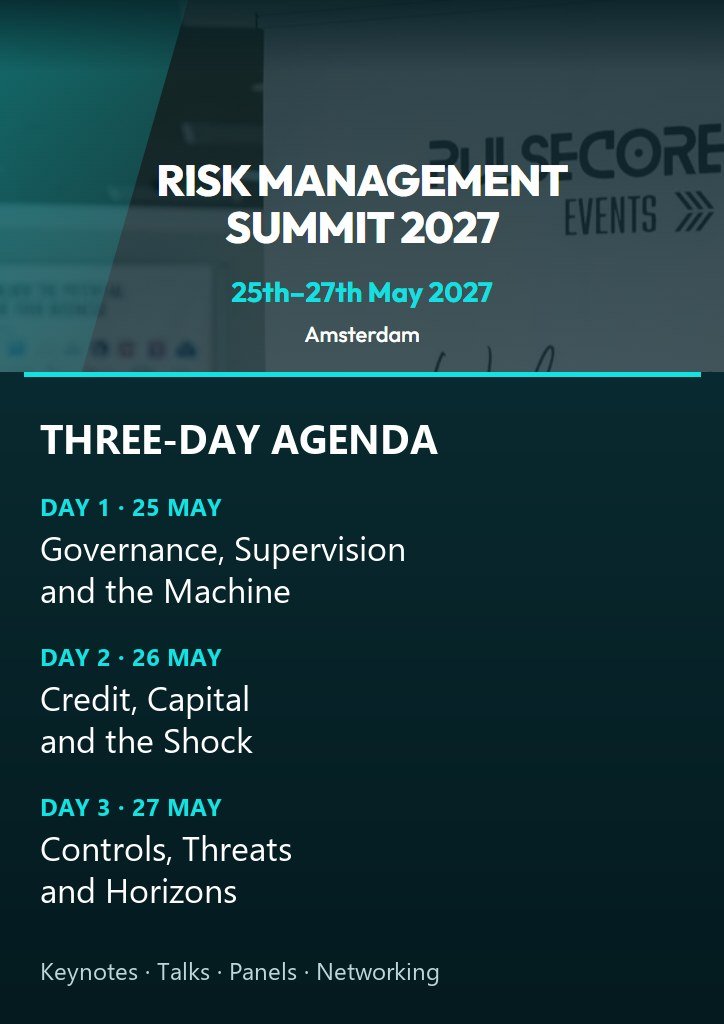
Leading organizers in Amsterdam distinguish themselves not through generic scale but through disciplined curation at every stage. This means screening delegates before admission, selecting speakers based on real-world expertise rather than media profile, and designing physical and digital networking moments rather than hoping connections happen by accident.
Delegate Seniority and Speaker Quality Matter Most
The most competitive conferences in Amsterdam now use application and vetting processes to maintain delegate quality. Organizers review each attendee’s role, company, and fit with the event audience. This selective approach directly improves the networking value for all participants. When attendees know they are surrounded by decision-makers and industry practitioners—not generic business-event tourists—the conversations become substantive.
Speaker selection follows the same principle. Leading organizers favour senior practitioners and subject-matter experts from established organizations over professional speakers and consultants. Content focuses on real case studies, implementation lessons, and data-driven examples. One prominent Amsterdam event format explicitly rules out sales pitches and product promotion, requiring submissions to address genuine business challenges and reflect practical experience.
This standard matters because executives increasingly value conferences as working sessions with peers, not as abstract learning environments. A day spent with five other senior leaders discussing shared operational problems delivers more business value than a large auditorium with polished presentations.
Venue Choices: From Large Convention Centres to Intimate Spaces
Amsterdam offers venue variety that allows organizers to match format to content. The RAI complex provides 116,200 square metres of flexible event space across 12 multifunctional halls, 70 meeting rooms, two auditoriums, and three linked conference centres. This scale suits international conferences with hundreds or thousands of delegates. The RAI also operates an on-site hotel and five restaurants, simplifying logistics for multi-day events.
Smaller and more intimate formats occupy Amsterdam’s canal venues and boutique spaces. These atmospheric locations suit peer roundtables and executive circles. The city’s compact geography means attendees can move between different venue types within minutes, enabling organizers to combine large keynote sessions with small breakout meetings in a single day.
Logistics infrastructure supports all formats. Amsterdam offers over 37,000 hotel rooms, from eco-certified properties to authentic neighbourhood stays. The city’s extensive public transport network—metros, trams, buses, ferries, and cycling routes—connects venues, hotels, and attractions. Amsterdam Airport Schiphol operates 300+ direct global routes, and high-speed trains link the city to London, Paris, Brussels, and Berlin.
Hybrid Delivery: In-Person Attendance and Virtual Access
Hybrid conference delivery has moved from innovation to expectation. Major international events across Europe now offer both in-person and virtual attendance tracks. This format solves two organizer challenges: it broadens the participant pool beyond geography, and it preserves event value for attendees unable to travel.
Effective hybrid delivery requires infrastructure at the conference itself. Live streaming must be stable and professional. Interactive sessions—polls, breakout discussions, chat moderation—must function equally for on-site and remote participants. Most modern platforms integrate a mobile event app that serves both groups. Recording and post-event access complete the picture: participants who attend live can revisit sessions, and those who missed them can catch up within days.
Amsterdam venues now routinely support this stack. State-of-the-art facilities in convention centres and boutique spaces include integrated A/V systems, high-bandwidth connectivity, and modular room layouts that accommodate parallel streams.
Structured Networking: The Difference Between Connection and Crowding
Unstructured networking—cocktail receptions and break-time mingling—generates activity but rarely produces lasting professional relationships. Leading conference organizers now employ facilitated networking formats:

- Speed networking: structured rounds of rapid one-on-one conversations, typically 30 per session, dramatically compress the time required to meet relevant peers.
- Curated one-on-one meetings: organizers match attendees based on their stated interests and roles, arranging private discussions during designated windows.
- Roundtable sessions: small groups of 6 to 12 professionals discuss focused topics, with facilitation to ensure genuine dialogue rather than monologue.
- Role-based breakout rooms: attendees with similar job functions (CEOs, finance leaders, product managers) convene separately, creating peer spaces for candid conversation.
These formats require planning and real-time management during the event. Organizers must collect registration data early, implement matching algorithms or manual curation, and staff the networking to ensure flow and timing. The payoff is substantial: attendees leave with concrete professional relationships, not a collection of business cards.
Post-Event Value: Recording Access and Ongoing Documentation
Premium conference experiences include recorded session access, delegate kits with speaker slides and materials, and continued use of the event app after the conference closes. These assets serve multiple purposes: attendees can reference what they learned weeks later; colleagues who did not attend can review key sessions; and organizers create lasting value that justifies the investment.
Some organizers now retain moderated networking groups or online communities beyond the event date, sustaining peer connections and creating opportunities for follow-up.
How PulseCore Events Approaches Amsterdam Events
PulseCore Events organizes international business conferences, summits, and professional development programmes across multiple industries. The company operates from Czech Republic headquarters with events across Europe, including multiple venues in Amsterdam.
PulseCore aligns with the competitive practices described above. The company offers in-person and virtual attendance, sponsorship and exhibition packages, group registration options, and mobile app support for event management. Upcoming PulseCore events include banking and finance summits, reflecting the organizer’s focus on senior executive and decision-maker audiences.
For organizers and sponsors seeking to host or participate in events that meet these quality standards, contact PulseCore directly to discuss your conference requirements.
Choosing the Right Organizer for Your Industry Sector
When selecting a conference organizer in Amsterdam, evaluate the following:
- Delegate vetting: Do they screen attendees by seniority and role, or do they optimize for head count?
- Speaker curation: Do speakers include practitioners and operators, or primarily professional speakers and consultants?
- Venue fit: Does the chosen venue match the event format, or does the organizer fit content to available space?
- Networking design: Are networking moments structured and facilitated, or assumed to happen organically?
- Hybrid capability: Can they execute both in-person and virtual delivery at professional quality?
- Post-event assets: Do they record sessions, distribute materials, and maintain ongoing access for attendees?
- Industry depth: Does the organizer have existing networks and expertise in your sector, or are they entering it for the first time?
Professional conference organisers (PCOs) based in Amsterdam often bring additional advantages: local venue relationships, established supplier networks, and practical familiarity with Amsterdam logistics. Organizers with 15+ years of track record and ratings from previous clients offer measurable proof of execution quality.
Frequently asked questions
Why do leading conference organizers in Amsterdam screen delegates before admission?
Delegate quality directly determines networking value. When attendees are vetted to ensure seniority and professional fit, conversations become substantive and mutually valuable. A curated group of 200 senior professionals generates more business outcomes than a generic audience of 500.
What is the difference between hybrid and in-person conferences?
Hybrid conferences offer both in-person attendance at a physical venue and virtual participation via live stream and digital platform. In-person events are single-location only. Hybrid formats broaden the participant pool geographically and allow attendees with travel constraints to participate. Both formats can be high-quality; the choice depends on organizer goals and participant base.
How do I know if a conference is worth attending as an executive?
Evaluate the delegate vetting process (is it competitive?), review the speaker list for practitioner credentials rather than professional-speaker status, check attendee reviews for feedback on networking quality and content substance, and confirm that recorded sessions and materials will be available afterward. Organizers transparent about selection standards are typically higher quality.
What happens if I attend virtually rather than in person?
Virtual attendees receive live stream access to keynotes and sessions, can participate in interactive polls and chat, have access to the event app for directory and networking, and typically receive the same post-event materials (recordings, slides, session notes) as on-site attendees. Some one-on-one networking and informal mingling happens less easily in virtual formats, but structured curated meetings and breakout sessions can function equally for remote participants.