






International business conferences have become essential platforms for C-suite executives and senior professionals. An American Express survey found that 88% of companies are increasing their investment in in-person work meetings, and 40% of attendees now expect more networking opportunities than they did five years ago. Executives recognise that connecting with peers from other industries exposes them to different perspectives and fresh problem-solving approaches that drive competitive advantage.

Beyond casual conversation, conferences deliver three core outcomes: curated knowledge from industry experts, direct access to decision-makers in your sector, and strategic intelligence about market trends. For professionals leading teams or making capital decisions, this intelligence shapes business strategy for the year ahead.
Not all conferences deliver equal value. The most effective summits share distinct characteristics: senior-level speaker panels with real operational experience, structured networking designed to facilitate meaningful introductions rather than chaotic mingling, and attendee rosters aligned with your business priorities.
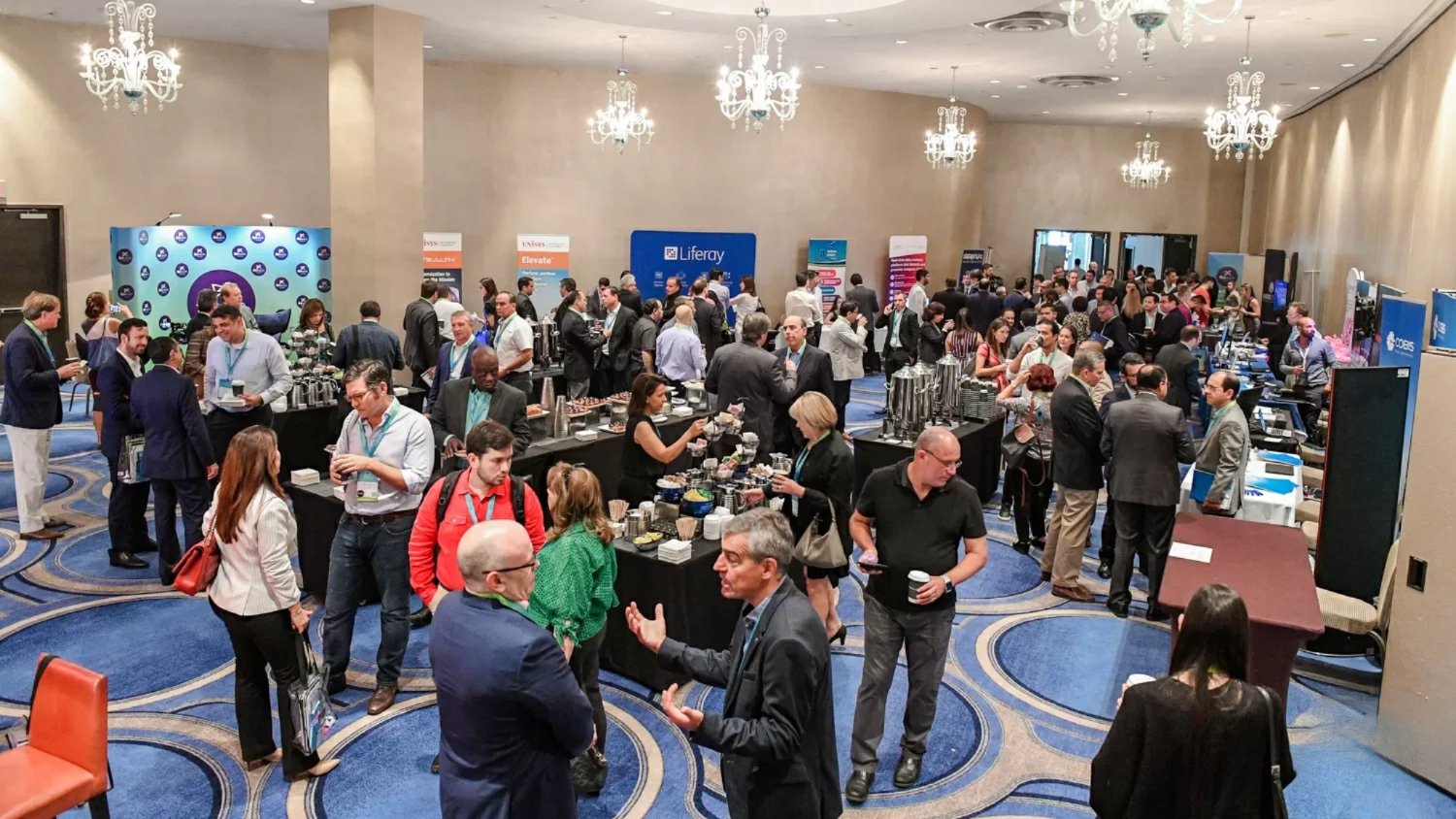
Look for events that span 2-3 days—enough time to absorb content and build relationships, but respectful of busy schedules. Multi-track formats allow you to skip generic sessions and attend content that matches your role and challenges. Established organisers with a track record of delivering the same event over multiple years have refined their programmes and built networks of returning executives—a hallmark of a mature, professional conference.
PulseCore Events operates with a legacy spanning two decades, having organised more than 2,000 conferences, courses and training programmes. This depth of experience means each event—from Excellence in Digital Banking 7.0 to the Risk Management Summit—benefits from years of refinement in speaker selection, agenda design and attendee experience.
PulseCore Events serves multiple industries and business functions, recognising that leaders in banking, pharma, energy and cross-industry sectors have distinct professional needs. Upcoming events include:
View the full calendar of upcoming events to find summits in your sector and region.
Post-pandemic, business has settled into a clear preference: in-person conferences rebuild relationships and enable the spontaneous conversations that drive breakthroughs. Yet virtual and hybrid options remain valuable for time-constrained professionals, international attendees unable to travel, and those seeking to test an unfamiliar event before committing a full day on-site.
In-person conferences create a shared context—formal sessions in the morning, informal networking over meals and breaks, impromptu meetings sparked by casual encounters. This intensity accelerates relationship-building. Virtual attendees join focused sessions and may participate in structured online networking, but typically miss the informal depth.
Many organisations now deploy a mixed approach: select executives attend in-person for high-value one-to-one meetings and panels; broader teams join virtual streams for content access. PulseCore Events supports both formats, and many summits offer live-stream and on-demand recorded access for those unable to attend on-site.
The most underestimated element of conference attendance is structured networking. Unguided mingling at a drinks reception rarely yields business results. Effective networking combines three elements: pre-conference research to identify target attendees, structured formats (panel discussions, small-group breakfasts, speed-networking sessions), and post-event follow-up channels.
Before the event, review the attendee list and speaker roster. Identify 5–10 individuals whose roles, companies or expertise align with your priorities. Reach out a week in advance to propose a specific meeting. During the conference, attend sessions where your target contacts are speaking or present, sit with new people at meals, and take notes on shared interests for follow-up conversations after the event.
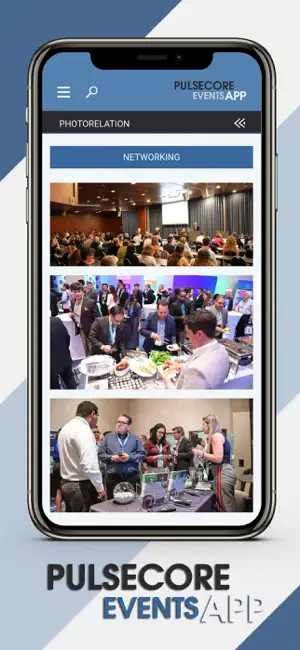
Many conferences now include dedicated networking platforms and mobile apps. These allow you to message other attendees before arrival, schedule meetings and continue conversations post-event. PulseCore's mobile app provides these tools, turning a three-day summit into the beginning of an ongoing professional relationship.
Return on investment from a conference depends partly on how you prepare and follow up. Set a clear goal: Are you exploring a new market? Recruiting talent? Building supplier relationships? Learning about regulatory changes? Vague attendance yields vague results.
Prepare a brief one-page summary of your business, priorities and the three main questions you want answered. Share it with colleagues who are also attending—alignment multiplies impact when you coordinate which sessions to attend and which contacts to pursue together. For group attendance, PulseCore offers group registration passes and tailored programmes for corporate teams.
After the conference, dedicate an afternoon to follow-up. Within 48 hours, contact the three most valuable new connections with a specific reference to your conversation and a clear next step—a call to explore partnership, a resource you promised to share, a mutual introduction. This discipline converts a one-time meeting into a sustained relationship.
Start by defining your business priorities for the next 12 months. Are you evaluating a new technology? Addressing regulatory changes? Seeking partnerships? Then match these to the conference themes, attendee sectors and speaker expertise. For example, if digital banking transformation is a priority, Excellence in Digital Banking or Risk Management Summit 2027 would be relevant. PulseCore's guide to choosing a conference organiser offers a framework for this evaluation.
Registration fees for professional summits typically range from £500 to £2,000 per person depending on event prestige, duration and included benefits. Budget also for travel, accommodation and time investment. Most companies find the ROI justifiable when a single valuable connection or market insight influences a business decision. Sponsorship packages, which include booth presence and speaking slots, start higher but provide visibility to a curated audience of decision-makers.
Most PulseCore events offer live-streaming for remote attendees and recorded session access for asynchronous viewing. Virtual options make attendance possible across geographies and schedules. However, virtual participation limits networking depth—structured one-to-one meetings are harder to arrange, and spontaneous conversations don't occur. If relationship-building is your primary goal, in-person attendance is recommended.
Attending the full 2–3 days yields better networking outcomes and broader exposure to expert speakers. However, if schedule constraints allow only one day, attend the main keynote sessions (typically day two) when attendance is highest and the strongest speakers are scheduled. A focused one-day visit beats missing the event entirely—just manage expectations that one-day attendees build fewer relationships than those present for the full duration.